
30 Best Living Books for Teaching Habits in Your Homeschool
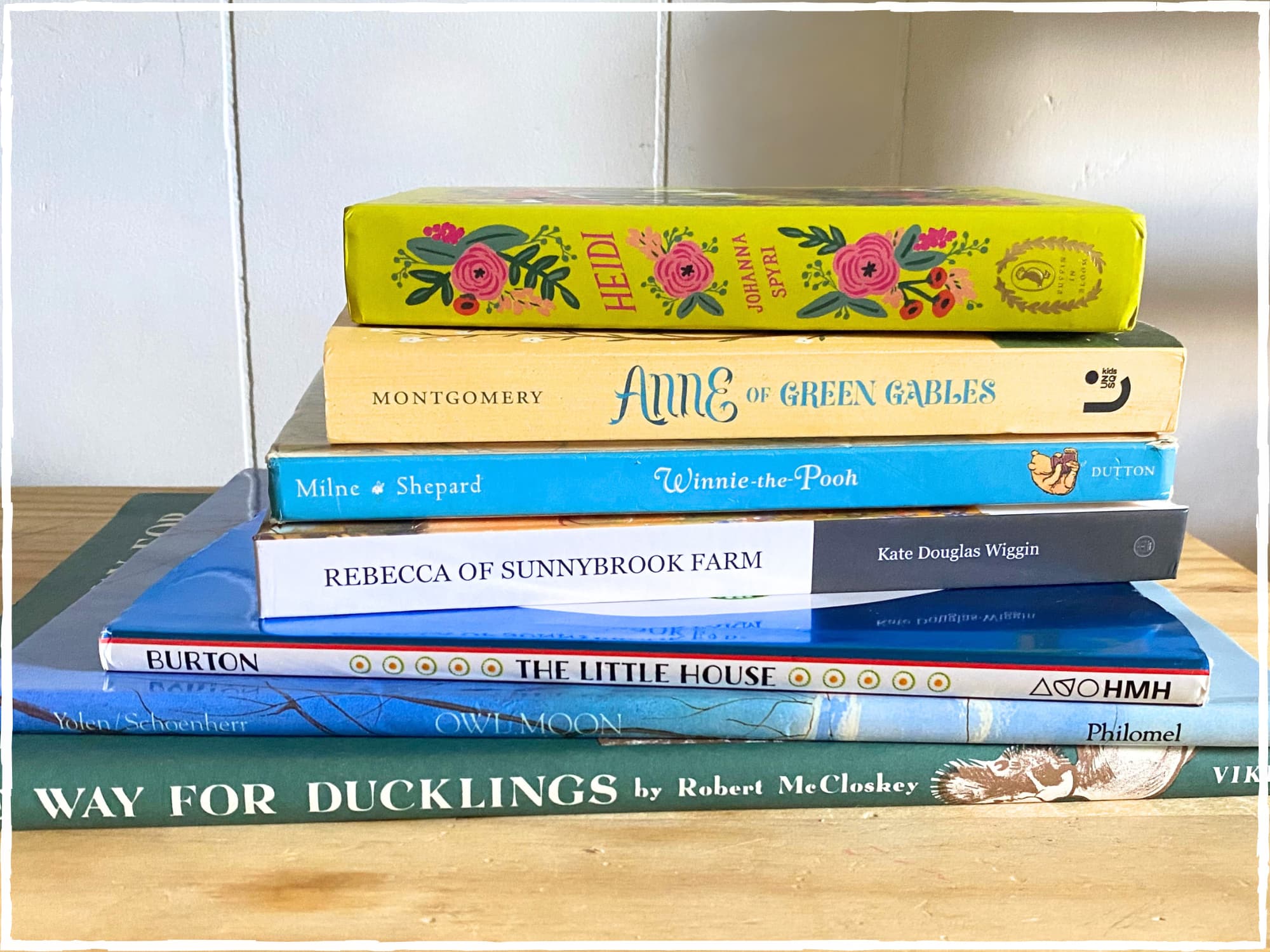
Living books have become one of my favorite tools for habit training, especially in a Charlotte Mason homeschool. Because we’re not just telling our children to pay attention, to be truthful, or to be kind—we’re reading stories where they can actually see these habits lived out and happening.
For a long time, I thought habit training meant a lot of reminding and correcting throughout the day. And honestly? The more I repeated the same things, the more I could see they weren’t really helping.
As I leaned further into Charlotte Mason’s ideas, living books became a natural part of teaching habits. Instead of telling my children what kindness looks like, they began to understand it. Instead of reminding them to be truthful, we read about characters who had to choose honesty for themselves. Even diligence became something they could recognize—because we read about it in so many different stories.
In this post, I’m sharing a collection of living books that perfectly reflect some of the habits we’re working on in our homeschools. These are books that help children understand these ideas in a way that feels relatable and natural.
This post may contain carefully chosen affiliate links to help support our homeschooling journey. Thank you for supporting my family through your purchases! You can read my full affiliate disclosure policy here.
Living Books That Help Build the Habit of Attention
Attention might be one of the most foundational habits we can help our children build. It affects everything from their lessons, their relationships, and the way they begin to notice the world around them.
Charlotte Mason wrote, “Attention is no more than this—the power of giving your mind to what you are about.”
When a child learns to really pay attention, it changes the way they learn, the way they listen, and the way they respond to what’s being asked of them.
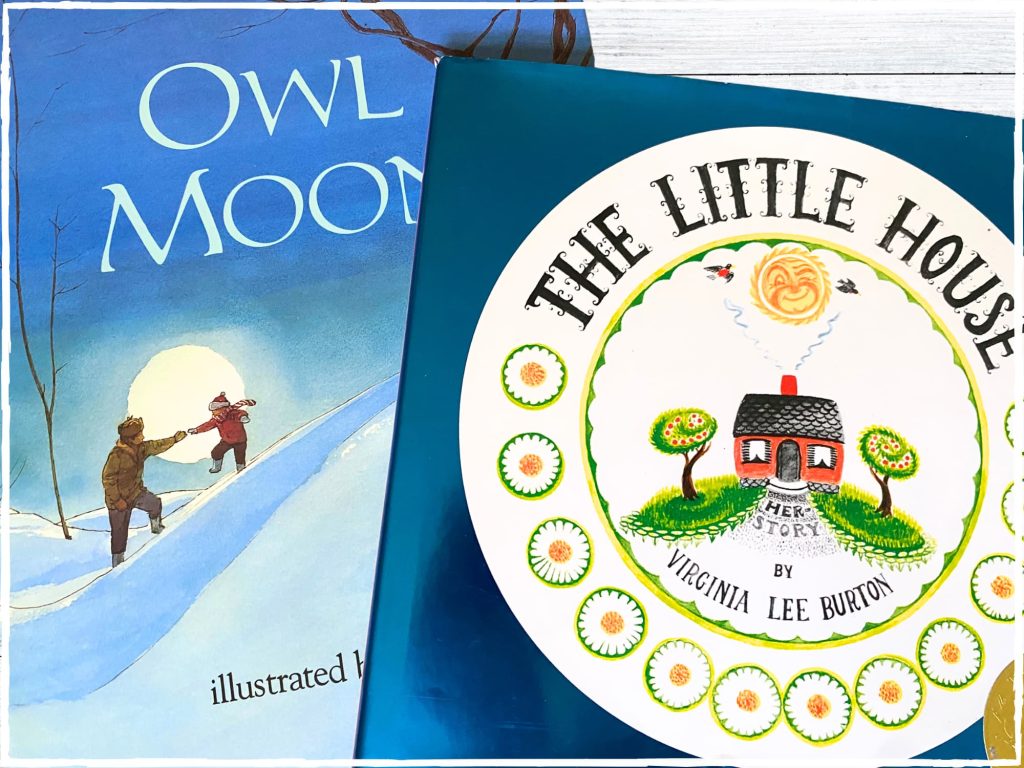
Owl Moon by Jane Yolen
A little girl and her father walk through the woods at night, hoping to find an owl. They move carefully, listening and watching as they go. This is one we read quite a bit, especially in the colder months, and it’s a good reminder of what it looks like to slow down and pay attention to what’s right in front of you.
Find it here: Owl Moon
The Little House by Virginia Lee Burton
A little house sits in the countryside as the world around it gradually changes from open fields to busy roads and buildings. Over time, those changes become easier to see, especially when you begin to look more closely. It’s a helpful way to draw your child’s attention to the world around them and to the changes that are easy to overlook.
Find it here: The Little House
Miss Rumphius by Barbara Cooney
This story follows a woman who decides she wants to make the world more beautiful. As she grows older, she begins to notice the places around her that feel plain or empty, and she starts planting lupines wherever she goes. It shows how paying attention to what’s around us often leads to seeing what could be made more beautiful.
Find it here: Miss Rumphius
The Wheel on the School by Meindert DeJong
In a small Dutch village, a young girl begins to wonder why the storks no longer return to their nests on the rooftops. Before long, the children are watching the rooftops, paying closer attention to their village, and working together to understand what has changed. This eventually leads to them working together to bring the storks back to their village.
Find it Here: The Wheel on the School
My Side of the Mountain by Jean Craighead George
Sam leaves home to live on his own in the Catskill mountains, and everything depends on how well he pays attention to the weather, to the land, and to what he needs each day. If he overlooks something, you see the effect of it, and you begin to understand how much his attentiveness shapes the way he lives. This book been a favorite in our homeschool—it’s the book that first drew my reluctant reader in and showed him what it feels like to be completely caught up in a story.
Find it here: My Side of the Mountain
Living Books that Build the Habit of Obedience
Obedience, in a Charlotte Mason homeschool, is something that is practiced in the small, everyday moments. It looks like a child coming when they are called, following through on what they’ve been asked to do, and learning to respond without delay.
Charlotte Mason wrote, “The habit of obedience is, of all the habits, the most important.”
In my homeschool, this is the one that makes a noticeable difference. When our children learn to respond and follow through, it changes the tone of the day in a very simple and positive way.
The Story About Ping by Marjorie Flack
Ping, lives on a boat along the Yangtze River, where each evening the ducks are called in one by one. One night, not wanting to be last, Ping slips away and misses the boat entirely, spending his day on his own, away from everything familiar. It’s a gentle but memorable way to help our children see why responding when they are asked matters.
Find it here: The Story About Ping
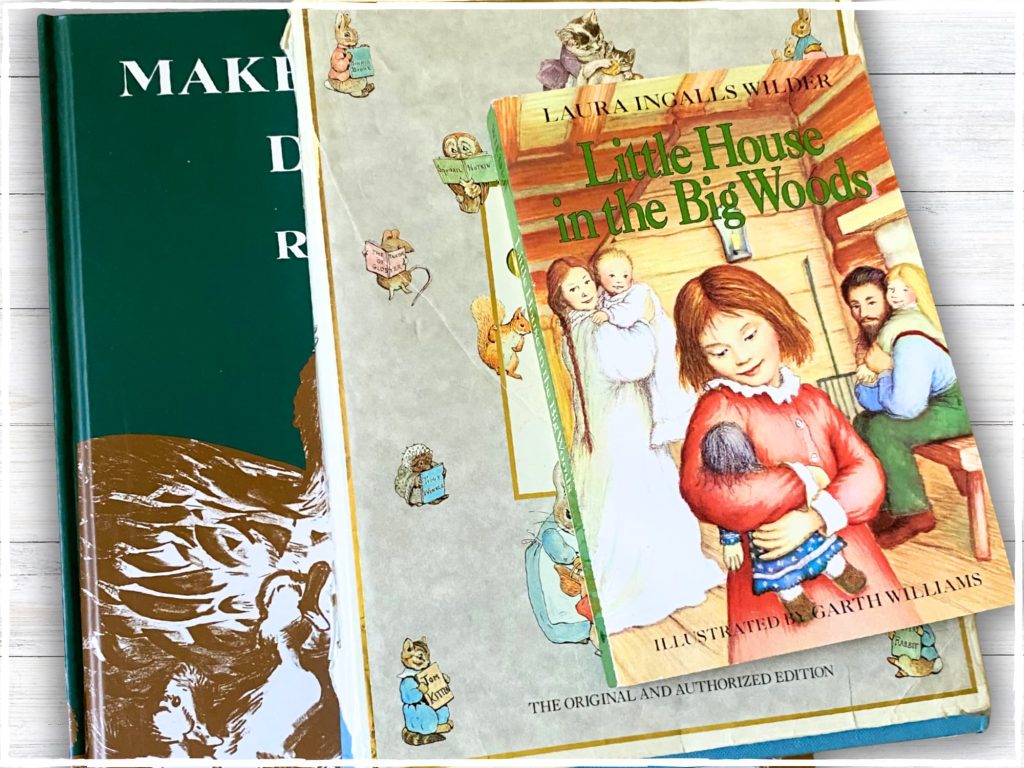
Make Way for Ducklings by Robert McCloskey
Mrs. Mallard leads her ducklings through the busy streets of Boston, and they follow close behind her as they go. It’s a gentle example for younger children to see the importance of staying near and following with trust, even when the world around them feels busy and uncertain.
Find it here: Make Way for Ducklings
Peter Rabbit by Beatrix Potter
Peter Rabbit is one of those stories where obedience is perfectly exemplified. Before she leaves, Peter’s mother tells him to stay out of Mr. McGregor’s garden, but, of course, Peter goes into the garden anyway. This is one we’ve read many times, and while my children always enjoy Peter’s mischief, they also understand how different things might have been if he did what he was told.
Find it Here: Peter Rabbit
Little House in the Big Woods by Laura Ingalls Wilder
The first book in the Little House series follows Laura and her sisters growing up in the woods of Wisconsin. In the Ingalls family, each day has its own rhythm, and the children learn to help, to listen, and to do what’s been asked of them as part of everyday life. The Little House series will always be a favorite in my homeschool, especially since it feels very close to our own days at home.
Find it Here: Little House in the Big Woods
Understood Betsy by Dorothy Canfield Fisher
Betsy arrives at the Putney farm as a timid young girl who has always had everything decided for her. At the farm, she’s given real responsibility and expected to do what’s being asked of her, even when it’s new or uncomfortable. Over time, she becomes more capable and confident because of it. This is a story that has led to some of our best conversations about what it looks like to listen well and do what is expected of them.
Find it Here: Understood Betsy
Living Books that Build the Habit of Truthfulness
Truthfulness in a Charlotte Mason home begins in the small, everyday moments. It grows as children learn to speak carefully and honestly—simply saying what is true.
As Charlotte Mason reminds us, “The mother who trains her child to strict accuracy of statement about things small and great fortifies him against temptations to the grosser forms of lying.” When we gently guide our children to be accurate in little things, we are preparing them to speak truthfully, even when it is difficult.
Betsy -Tacy By Maud Hart Lovelace
Betsy and Tacy are the kind of friends who tell each other everything, and that honesty is part of what makes their friendship so sweet to read about. These early chapter books follow two young girls in their everyday lives, where there is a sincerity in the way they speak and relate to one another. It’s a gentle introduction to truthfulness that feels very natural.
Find it Here: Betsy-Tacy
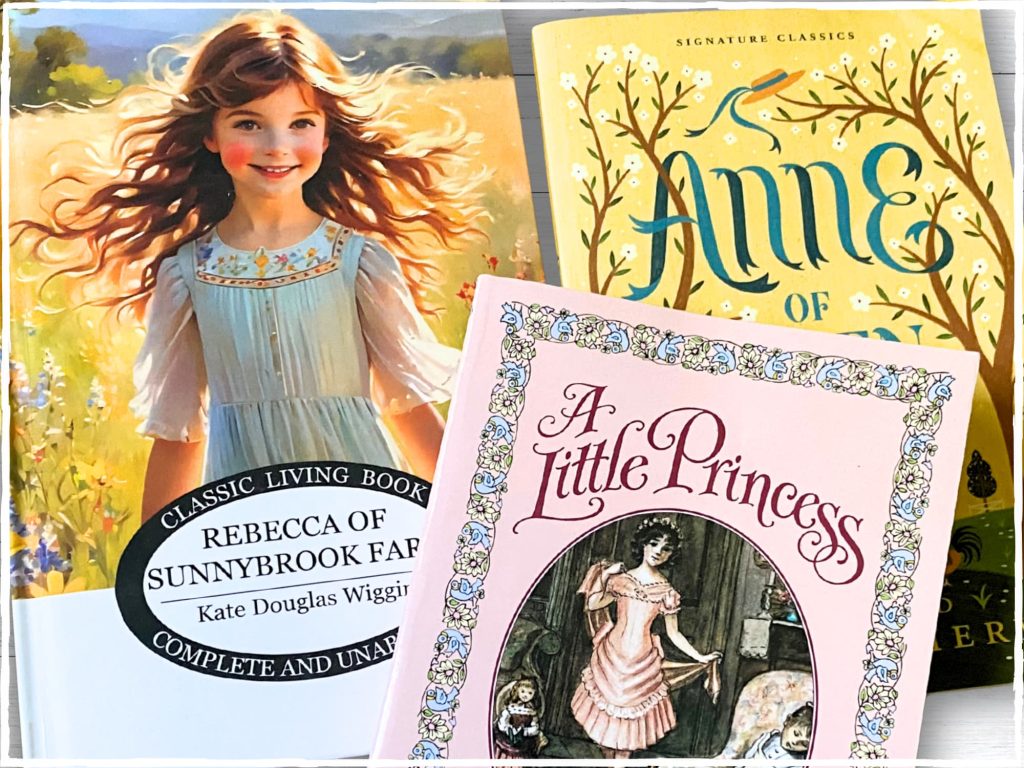
Anne of Green Gables By L. M. Montgomery
Anne Shirley is imaginative, big-hearted, and very honest. She speaks openly, says exactly what she thinks, and doesn’t always know when to hold something back. Anne of Green Gables will always be a favorite for my family, and is the perfect book for demonstrating what it looks like to be truthful.
Find it here: Anne of Green Gables
Five Little Peppers and How They Grew By Margaret Sidney
The Pepper children live simply, but their home is full of honesty, happiness, and love. What makes this story so endearing is that truthfulness is quietly lived out in the children’s everyday choices, their words, and the way they are quick to admit wrong and make it right. A sweet, old-fashioned classic that gently shows what it looks like to live honestly within a loving family.
Find it here: Five Little Peppers and How They Grew
A Little Princess by Frances Hodgson Burnett
Sara Crewe faces very difficult circumstances, yet she continues to speak truthfully and act with honesty, even when it would be easier to pretend, complain, or speak unkindly. Whether wrongly accused, treated unfairly, or tempted to feel bitter, she continues to speak truthfully all the same. What makes her story so meaningful is the way her honesty shows itself in everyday moments. A Little Princess is such a well-loved, old-fashioned story that will gently show your children what it looks like to remain truthful, even when life feels especially hard.
Find it here: A Little Princess
Rebecca of Sunnybrook Farm By Kate Douglas Wiggin
Rebecca is full of life and naturally honest. She often says just what she is thinking, without stopping to consider how it may sound. What makes her story so enjoyable is the way her honesty leads to small but meaningful lessons in thoughtfulness and caring for others. A perfectly charming, old-fashioned read that makes honesty feel like one of the best qualities a person can have.
Find it here: Rebecca of Sunnybrook Farm
Living Books that Build the Habit of Kindness
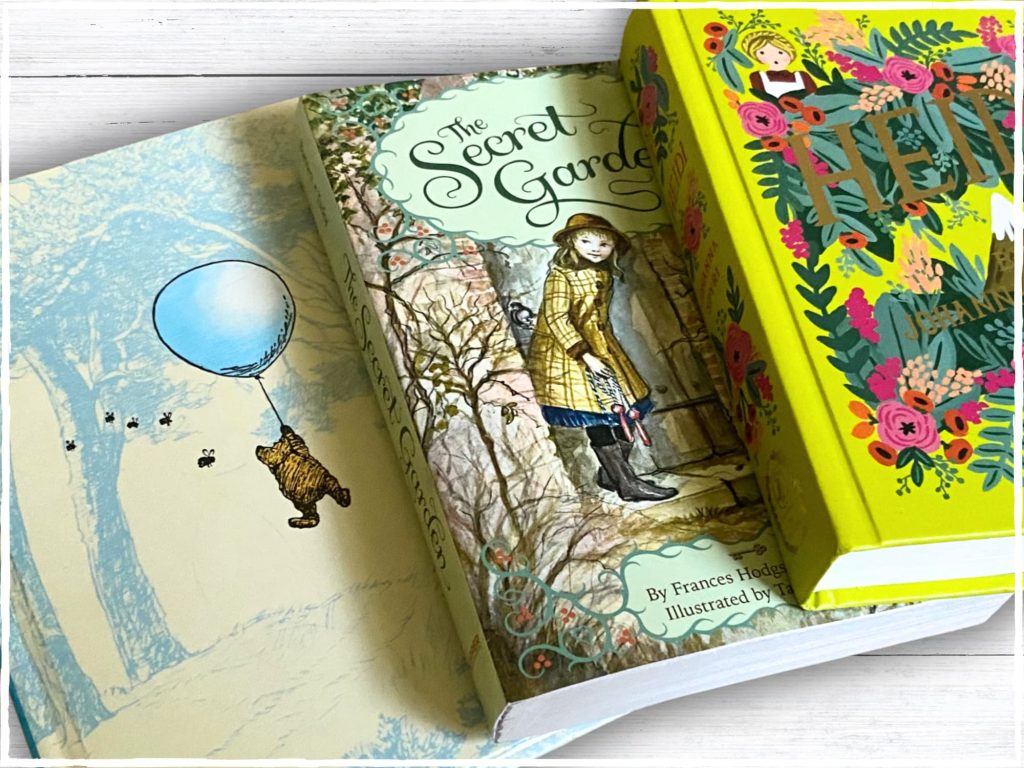
Kindness, in a Charlotte Mason home, is shaped in the everyday moments: speaking gently to a sibling, offering to help without being asked, or choosing patience when it would be easier to respond sharply.
In these stories, children see kindness occuring in ordinary situations—sharing, forgiving, noticing others, and choosing their words with care—the same kinds of moments that they experience every day.
Heidi By Johanna Spyri
There are few characters who truly exemplify kindness like Heidi does. She brings a sense of warmth wherever she goes. What makes her story so special is that her kindness is simply part of who she is, seen in the way she notices others, offers comfort, and responds with genuine affection. It remains one of the most cheerful and heartwarming stories in children’s literature.
Find it here: Heidi
The Railway Children By E. Nesbit
When their father unexpectedly disappears, Bobbie, Phyllis, and Peter must adjust to a much simpler life. What stands out most is the way they begin to look for ways to help, encourage, and care for those around them. My boys especially enjoyed the train adventures, but it was the children’s kindness, seen all through those adventures, that stood out most. A sweet story that shows kindness as something you choose, even when things are hard.
Find it here: The Railway Children
Treasures of the Snow By Patricia St. John
A broken friendship between two children and the long road from bitterness to forgiveness makes this one of the most meaningful stories about kindness we have read. Patricia St. John carefully shows how anger, hurt, and forgiveness play out between the children, making their choices feel clear and meaningful. It brings to light what it really looks like to choose kindness toward someone who has caused real hurt.
Find it here: Treasures of the Snow
The Secret Garden By Frances Hodgson Burnett
Mary Lennox begins the story, as a rather unkind and self-centered little girl, but watching her slowly change through time spent outdoors, growing friendships, and learning to care for others perfectly shows how kindness can change a person for the better. What makes this story so meaningful is the way kindness begins to grow, not only in those around her, but within her as well.
Find it here: The Secret Garden
Winnie-the-Pooh By A.A. Milne
Kindness shows up on nearly every page in the Hundred Acre Wood: friends making time for one another, listening, and stepping in to help, even when they don’t quite know what to do. The stories are full of gentle, funny moments that children love, and it is these small, thoughtful moments that give the stories their lasting value. It is the perfect book for helping young children truly understand what it means to be kind.
Find it here: Winnie the Pooh
Using Living Books for Habit Training in Your Homeschool
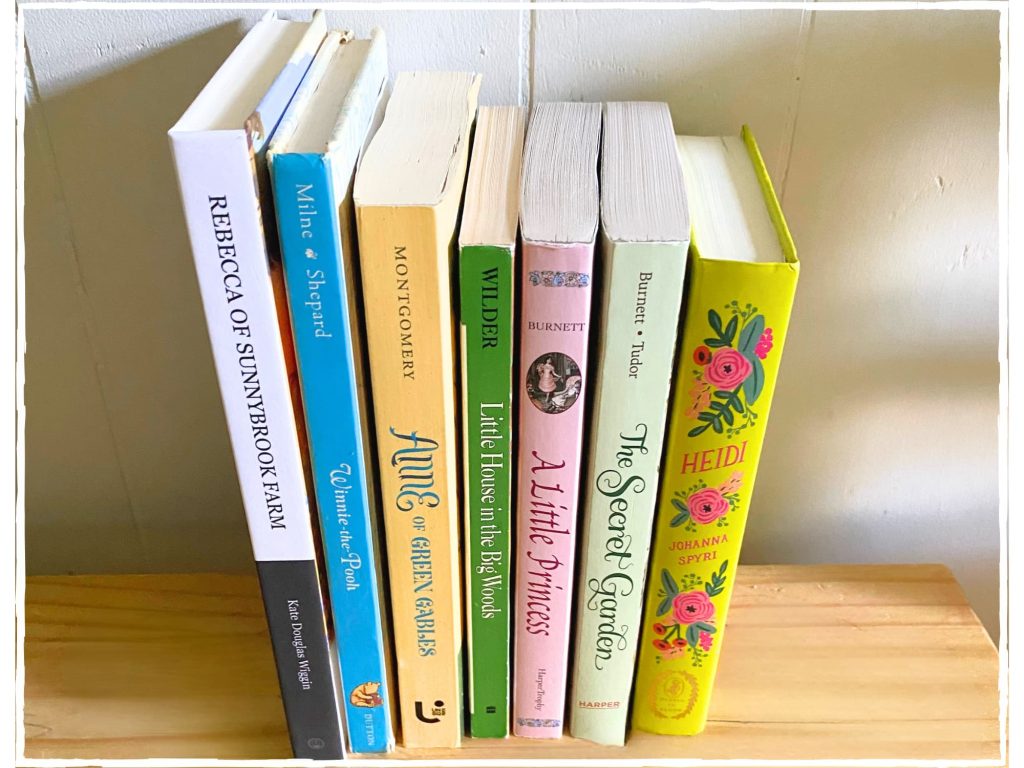
Over time, I’ve come to see that habit training doesn’t need to feel like constant correction or pressure. When we read good living books with our children, we’re giving them lasting examples they can return to again and again.
If you are just beginning, you don’t need to do everything at once. Choose one habit that feels especially needed in your home, pick one book from this list, and begin there. Read it together, talk about it naturally, and let the story do the gentle work.
And if you’d like to come back to this list later, be sure to save or pin it to have on hand. These are the kinds of books that help to reinforce the habits we are working to build, giving our children real examples they can understand and follow.


