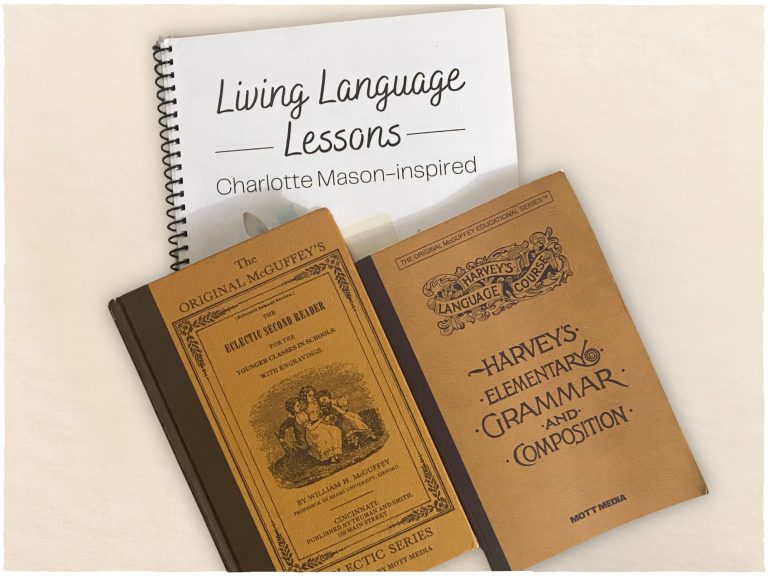
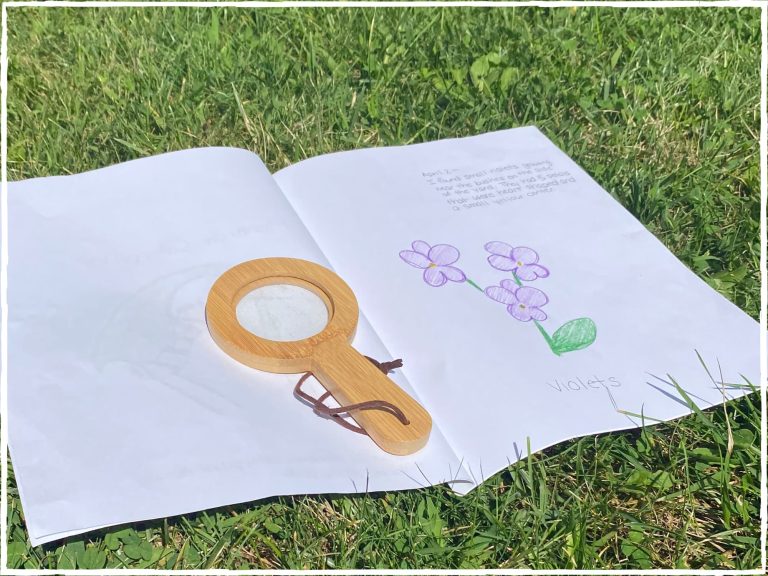
How To Create the Perfect Charlotte Mason Morning Basket
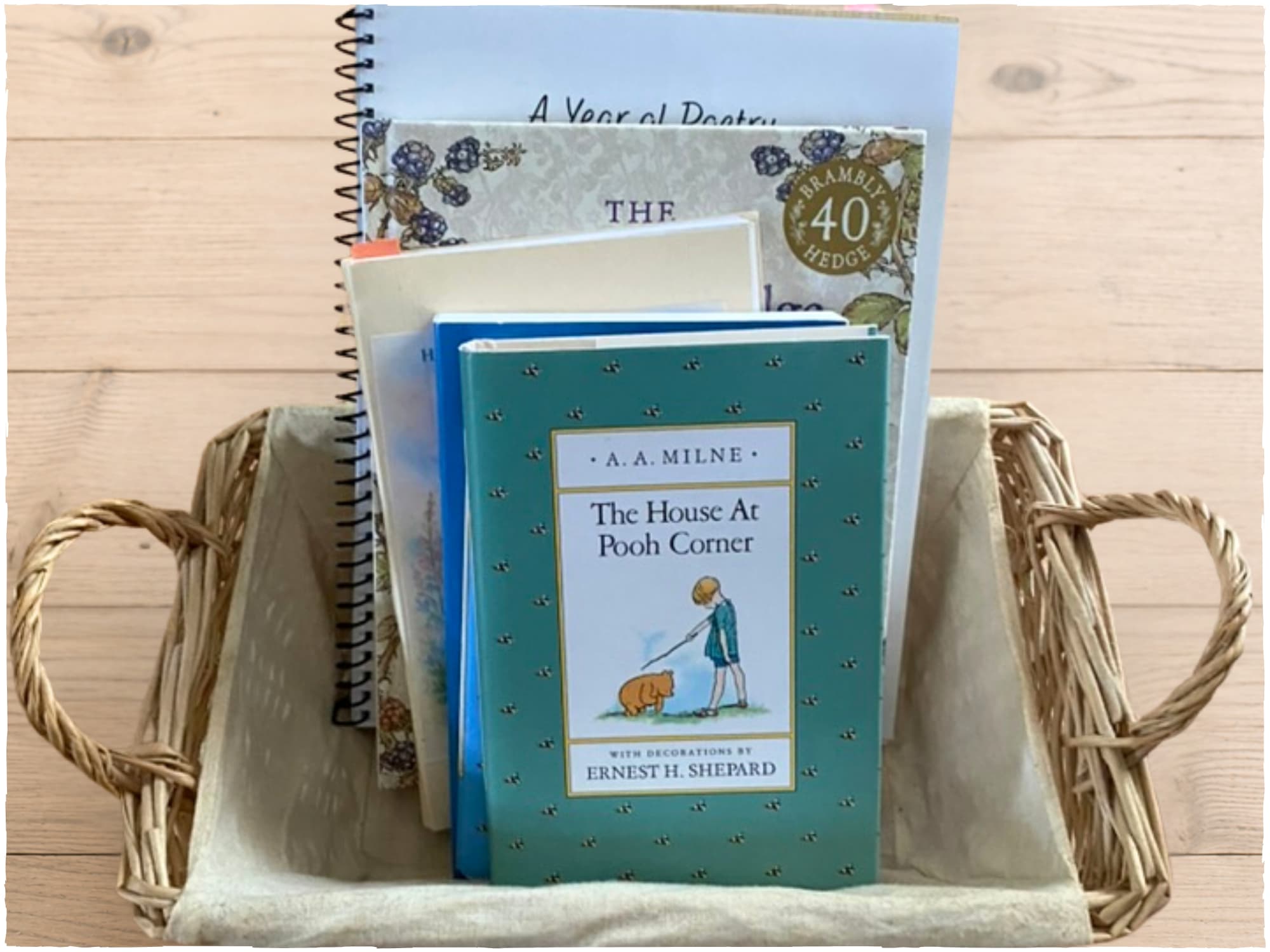
A morning basket is one of the easiest ways I’ve found to bring some of the beautiful parts of a Charlotte Mason education into our day consistently. It gives us a place to gather for poetry, Scripture, picture study, music, nature readings, read-alouds, and other subjects we can enjoy together as a family.
Especially when you are homeschooling several ages, grouping these lessons together can make the day much easier to manage. Instead of trying to fit every subject into each child’s individual schedule, we can begin together and then move into individual lessons afterward.
Your morning basket does not need to include every subject or take an hour each morning. You can begin with just a few things, keep the lessons short, and rotate some subjects throughout the week.
In this guide, I’ll show you what you can include in a Charlotte Mason morning basket, how I organize ours with multiple ages, how long morning time can take, and a few simple schedules you can use to build a routine that works for your family.
This post may contain carefully chosen affiliate links to help support our homeschooling journey. Thank you for supporting my family through your purchases! You can read my full affiliate disclosure policy here.
What is a Morning Basket?

A morning basket, sometimes called morning time, is a collection of books and resources your family uses together at the beginning of the homeschool day.
In a Charlotte Mason homeschool, it is a natural place to gather many of the subjects that can be enjoyed as a family, such as poetry, Scripture, picture study, composer study, nature readings, recitation, foreign language, and living books.
The idea is not that every subject has to fit into your morning basket or that everything needs to be done every day. Instead, it gives you a simple way to gather for a few shared lessons before children move on to the subjects they work through individually.
Why I Use a Morning Basket in Our Homeschool
One of the biggest reasons I use morning time is that it allows me to teach several of my children together.
With multiple ages homeschooling at once, it would be difficult to repeat poetry, music, art, nature study, and read-alouds separately with each child. Gathering for these lessons lets us enjoy them together while each child takes from the material at his or her own level.
It also helps me consistently include subjects that are easy to push aside when the day gets busy. When poetry, picture study, composer study, recitation, and our current read-aloud already have a place in our morning routine, I am much more likely to actually get to them.
Most importantly, morning time has become a natural gathering point in our homeschool. We begin with a few shared lessons, enjoy good books and ideas together, and then move into the rest of our school day.
What to Put in a Charlotte Mason Morning Basket
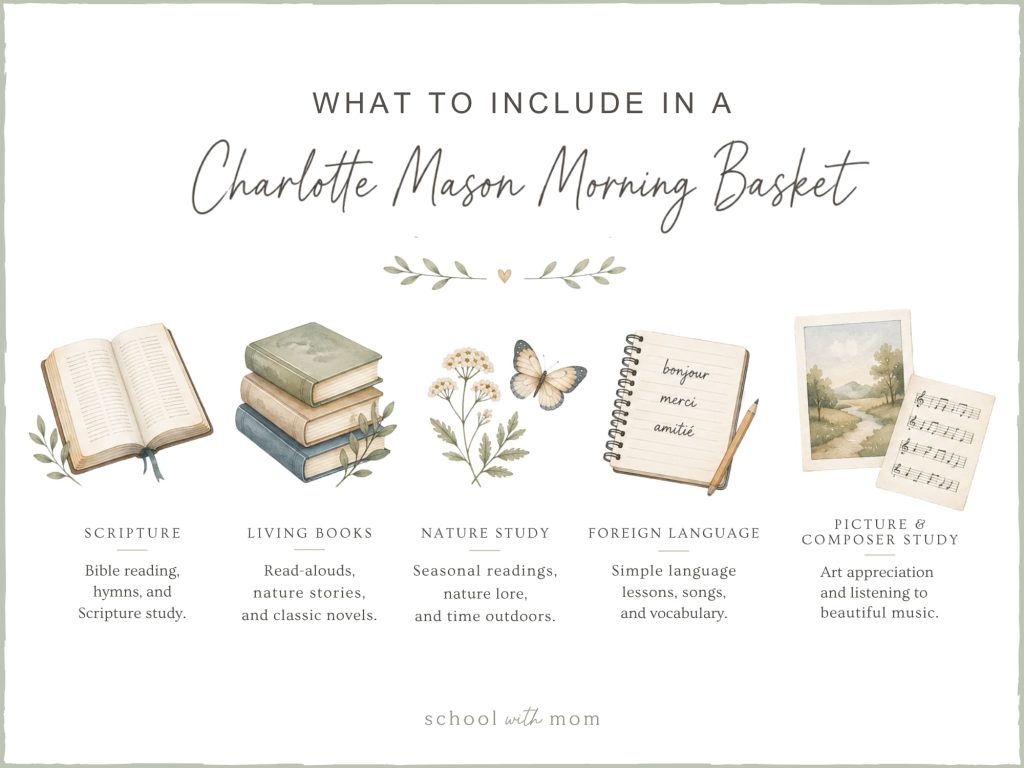
One of the nicest things about a morning basket is that you can choose the subjects that make the most sense for your family. You do not need to include everything listed here. Start with a few shared lessons and add or rotate subjects as your routine develops.
Scripture
We begin our morning time with a short Bible reading. This gives us a natural place to read Scripture together before moving into the rest of our lessons.
You might also include Scripture memory or a hymn you are learning as a family, as well.
Poetry
Poetry is one of the simplest subjects to add to a morning basket because it only takes a few minutes.
We usually focus on one poet for a period of time and read from that poet regularly. Sometimes we read a new poem, while other days we return to one we have already enjoyed.
Recitation and Memory Work
Morning time is also a convenient place for recitation.
This might include a poem, Scripture passage, hymn, or another short piece your children are learning by heart. I sometimes include a few math facts here as well, especially when a child would benefit from a quick review.
Keep this portion short and enjoyable. A few minutes of regular practice is usually enough.
Picture Study
Picture study can fit beautifully into morning time because the whole family can study the same work of art together.
We typically focus on one artist for a term and spend a few minutes looking closely at one painting at a time.
Composer Study
Composer study can be as simple as listening to a piece of music together.
You might listen to the same composer throughout a term, gradually becoming familiar with several of their works. This is also an easy subject to rotate with picture study rather than trying to do both every day.
Nature Study and Nature Lore
Our morning basket often includes a short nature reading, especially one that connects with what we are seeing outside during that season.
This might be a chapter from a living nature book, a short passage about a plant or animal, or something that sparks an idea for our next nature walk.
The actual observing and exploring still happens outside, but a short reading can give children something interesting to watch for later.
Foreign Language
Short, consistent foreign language lessons also work well during morning time.
In our homeschool, including foreign language in the morning helps me make sure we actually get to it regularly. This might be a few vocabulary words, a song, a short conversation, or another brief oral lesson.
Living Books and Read-Alouds
I almost always include a living book or read-aloud in our morning time.
Depending on our current studies, this might be historical fiction, a nature story, classic literature, fairy tales, or another book we are enjoying together.
Reading aloud is one of the easiest ways to bring different ages together. Younger children can enjoy the story while older children often notice more of the language, ideas, and details.
If you need ideas for what to read next, you can browse my Living Books Lists for books organized by age, subject, and season.
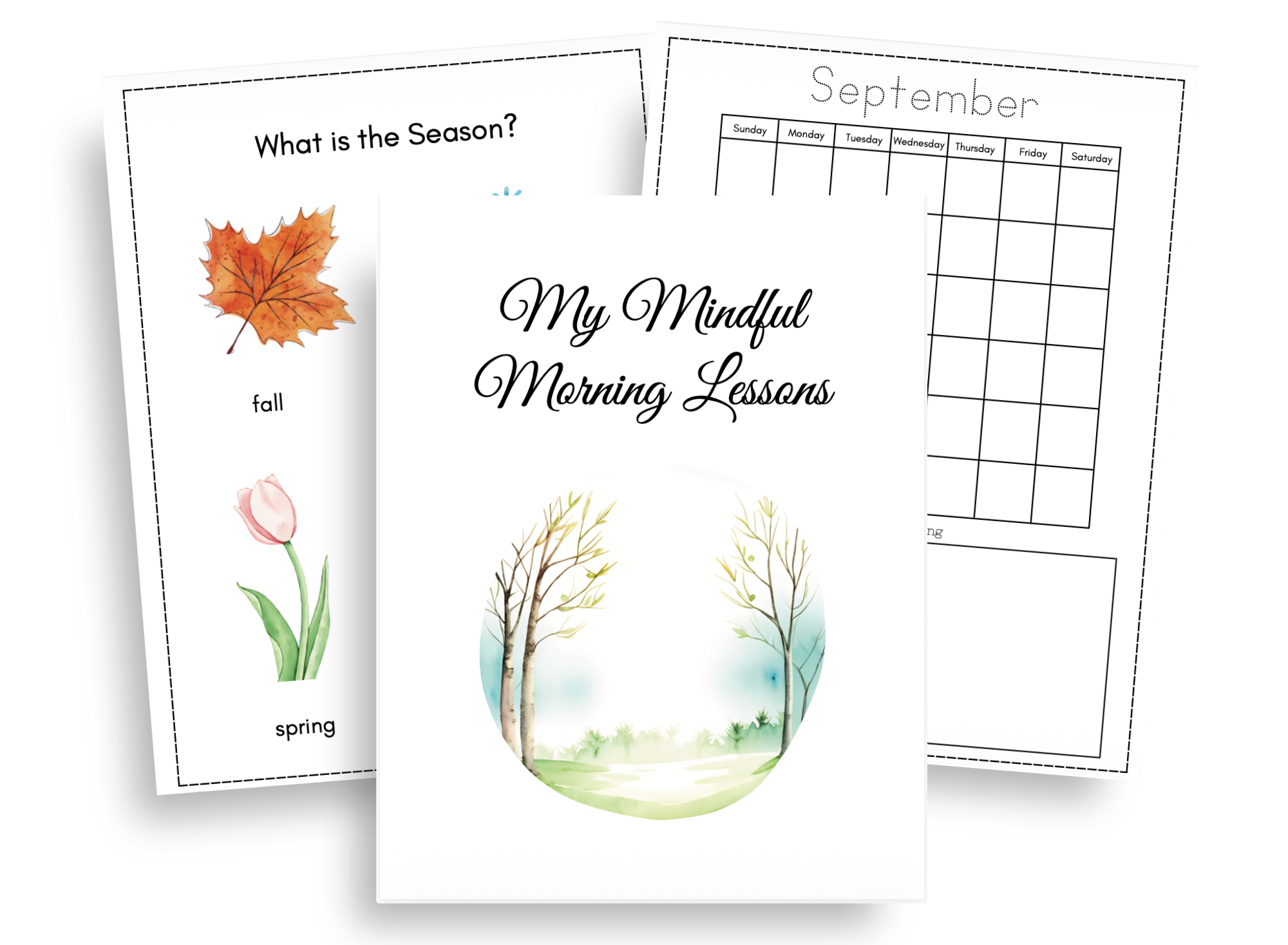
My Mindful Morning Lessons
My Mindful Morning Lessons gives your elementary age learners a gentle set of morning lessons for calendar and weather, gratitude, nature study, time practice, and poetry. Everything is ready to use, so these lessons fit easily into your morning without extra planning.
See My Mindful Morning Lessons →Create a Simple Morning Basket Rhythm
A morning basket can become overwhelming very quickly if you try to fit every beautiful Charlotte Mason subject into every morning.
Instead, choose a few things that you want to do consistently and rotate the rest.
For example, you might read Scripture, poetry, and your current read-aloud most days, then rotate picture study, composer study, nature reading, foreign language, or hymn study one or two times throughout the week.
This keeps morning time varied while giving each subject its regular place. It also creates a peaceful rhythm for learning together.
Simple Steps for Setting Up Your Morning Basket
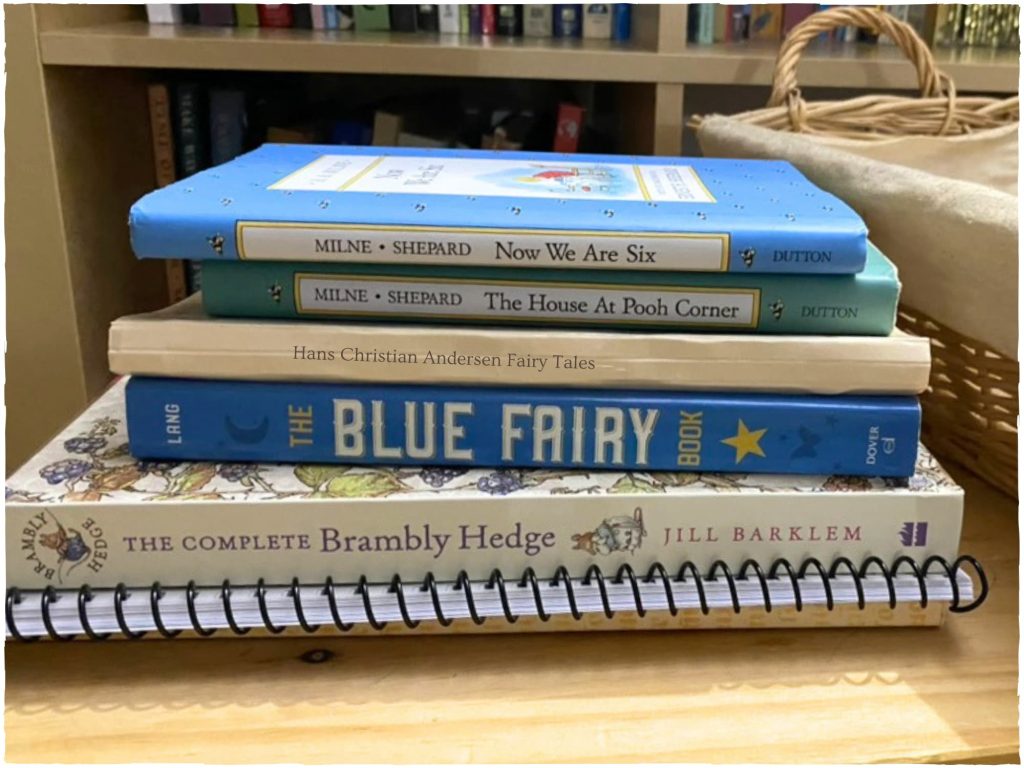
Once you have an idea of the subjects you would like to include, putting your morning basket together can be very simple.
1. Choose a Few Core Subjects
Start with two or three subjects you would like to include most days.
For example, you might begin with Scripture, poetry, and a read-aloud. These become the familiar pieces that give your morning time a simple, consistent rhythm.
2. Add a Few Subjects to Rotate
Once you have your core subjects, choose a few others to include once or twice throughout the week.
Picture study, composer study, nature readings, hymn study, foreign language, or recitation can all work well this way.
Rotating these subjects gives you variety without making every morning too long.
3. Gather Your Materials
Keep the books and resources you use regularly in one convenient place so they are easy to reach when it is time to begin.
This might actually be a basket, but it certainly does not have to be. A shelf, bin, or small stack of books nearby works just as well.
4. Find a Consistent Place in Your Day
Morning basket time does not have to happen at a particular hour. Choose a point in your routine when your family can gather consistently.
For us, it works well near the beginning of our homeschool day before everyone moves into individual lessons.
5. Adjust Your Routine as You Go
Pay attention to what is working well for your family and make small changes when needed.
You may find that one subject works better on a different day, that a particular book needs more time, or that your morning basket feels best with fewer lessons.
Your morning routine can change with the seasons, ages of your children, and what you are studying. The important thing is finding a rhythm that works well for your family.
How Long Should a Morning Basket Take?
There is no set amount of time a morning basket needs to take. For some families, 15 to 20 minutes is plenty. Others may enjoy spending 30 to 60 minutes together before moving into individual lessons.
The length will depend on the ages of your children, the subjects you include, and how many of those subjects you rotate throughout the week.
If you are just getting started, I would begin with a shorter morning time and see how it feels. You can always add another subject later if your family is enjoying the routine and everyone is still engaged.
Keeping lessons short also makes it easier to include several different subjects without letting morning time take over the entire school day.
Below are a few sample schedules to show what a morning basket might look like at different lengths.
Sample Morning Basket Schedules
Here are a few examples of what morning time might look like at different lengths. You can adjust the subjects, order, and timing to fit your own family.
20-Minute Morning Basket
A shorter morning basket works well if you are just getting started or if you prefer to keep your shared lessons brief.
- Scripture or Bible reading — 3 minutes
- Poetry — 3 minutes
- Recitation or memory work — 4 minutes
- Read-aloud — 10 minutes
40-Minute Morning Basket
With a little more time, you can include one rotating subject along with your regular daily lessons.
- Scripture or Bible reading — 5 minutes
- Poetry — 5 minutes
- Recitation or memory work — 5 minutes
- Picture study, composer study, or nature reading — 10 minutes
- Read-aloud — 15 minutes
60-Minute Morning Basket
A longer morning time gives you room for a few more shared lessons while still keeping each one fairly short.
- Scripture or Bible reading — 5 minutes
- Poetry — 5 minutes
- Recitation or memory work — 5 minutes
- Foreign language — 10 minutes
- Picture study, composer study, nature reading, or hymn study — 10 minutes
- Read-aloud — 20 minutes
- Narration or discussion — 5 minutes
These schedules are meant to give you a starting point rather than a set formula. Some days one lesson may take a little longer, while another may only take a few minutes. You can also rotate subjects throughout the week instead of trying to include every area each day.
For more ideas on fitting morning time into the rest of your homeschool day, see my post on Creating the Perfect Charlotte Mason Schedule for Your Homeschool.
Using a Morning Basket With Multiple Ages
Morning time gives our family a practical way to share many of the richest parts of a Charlotte Mason education across different ages.
When you are homeschooling several children, subjects like poetry, Scripture, picture study, composer study, nature readings, and read-alouds can often be enjoyed together. Everyone can participate in the same lesson at a level that fits their age and ability.
A younger child may simply listen to a poem or enjoy looking at a painting, while an older child notices more details or gives a more complete narration. They are sharing the same material without needing to do exactly the same thing with it.
With little ones, I also keep my expectations flexible. They might color, look through a book, play quietly nearby, or join us for a small part of morning time. And as they get older, they naturally begin participating more and more.
After our shared morning lessons, everyone can move into the individual subjects they need for their own level.
This is one of the reasons morning time works so well in a large-family homeschool. It allows us to enjoy many of the beautiful parts of a Charlotte Mason education together while keeping the rest of our school day much more manageable.
Helpful Resources for Your Morning Basket
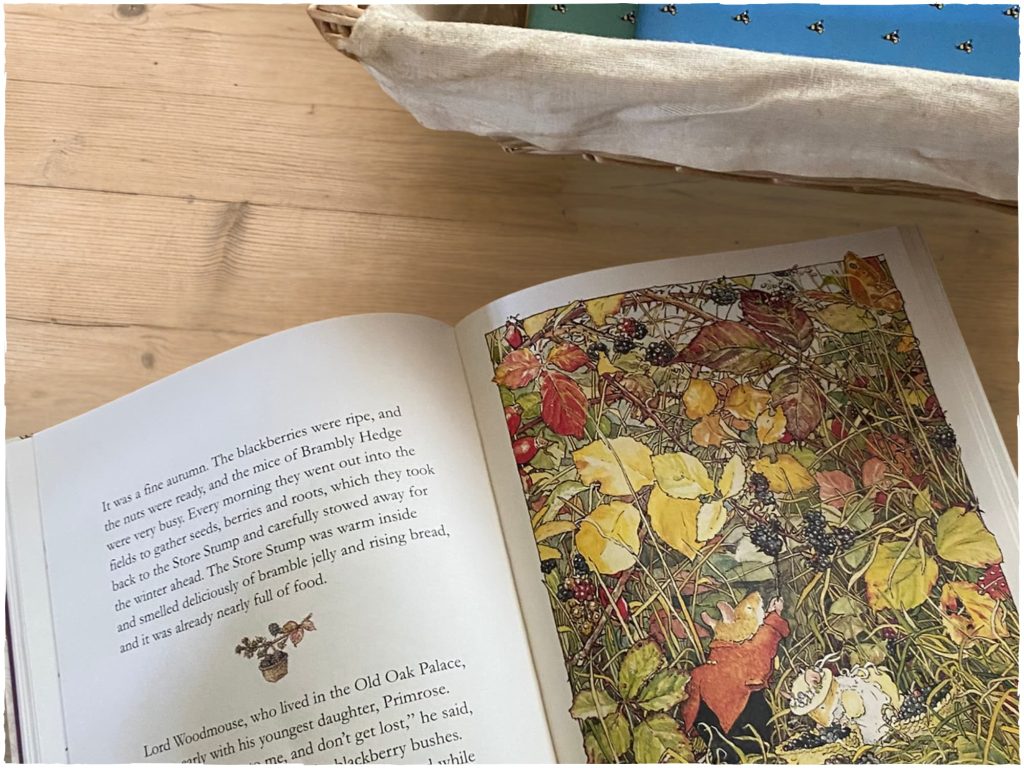
Once you have your basic morning basket rhythm in place, you can begin filling it with books and resources that fit the subjects you want to include.
Here are a few places to start:
Living Books
For read-alouds, nature stories, history, and other living books, you can browse my Living Books Lists for ideas organized by age, subject, and season.
Seasonal Morning Basket Ideas
I love changing a few of the things in our morning basket with the seasons. Adding seasonal books, poetry, nature readings, or other simple resources can make morning time feel a little more connected to the season. For a simple example, take a look at my Spring Morning Basket to see some of the books, readings, and seasonal touches we enjoy during spring.
Poetry
A poetry collection or poet study makes an easy addition to morning time. Choose one poet to focus on for a period of time and read a poem together several times throughout the week.
Nature Study
Nature lore books, seasonal readings, and short nature study lessons can all fit naturally into your morning basket before heading outside for a nature walk later in the day.
If you would like a little more guidance throughout the year, my Year-Round Nature Study bundle includes four seasonal nature journals with gentle prompts and ideas to help guide your nature study.
Picture and Composer Study
Choose one artist and one composer to focus on throughout the term, keeping a few art prints nearby for picture study and listening regularly to music by your selected composer. These lessons can stay simple and only take a few minutes at a time.
My Mindful Morning Lessons
If you would like a little more structure for your younger children, My Mindful Morning Lessons includes gentle activities you can easily work into your morning routine, including calendar and weather observation, seasonal nature study, gratitude, time practice, and poetry. It is designed to give you a simple starting point while still leaving plenty of room for the books, music, art, and other subjects you want to enjoy together. I share a closer look at My Mindful Morning Lessons and how we use it in our homeschool here.
Create a Morning Basket That Works for Your Family
A Charlotte Mason morning basket can be as simple or as full as you need it to be. Start with a few meaningful subjects, keep your lessons short, and build a rhythm that fits naturally into your homeschool day.
Over time, you can add new books, rotate in different subjects, and adjust your routine as your children grow.
If you would like a little more structure for your mornings, My Mindful Morning Lessons can give you a gentle starting point for poetry, nature study, calendar work, and other simple morning activities.