8 Winter Nature Study Ideas for Your Charlotte Mason Homeschool
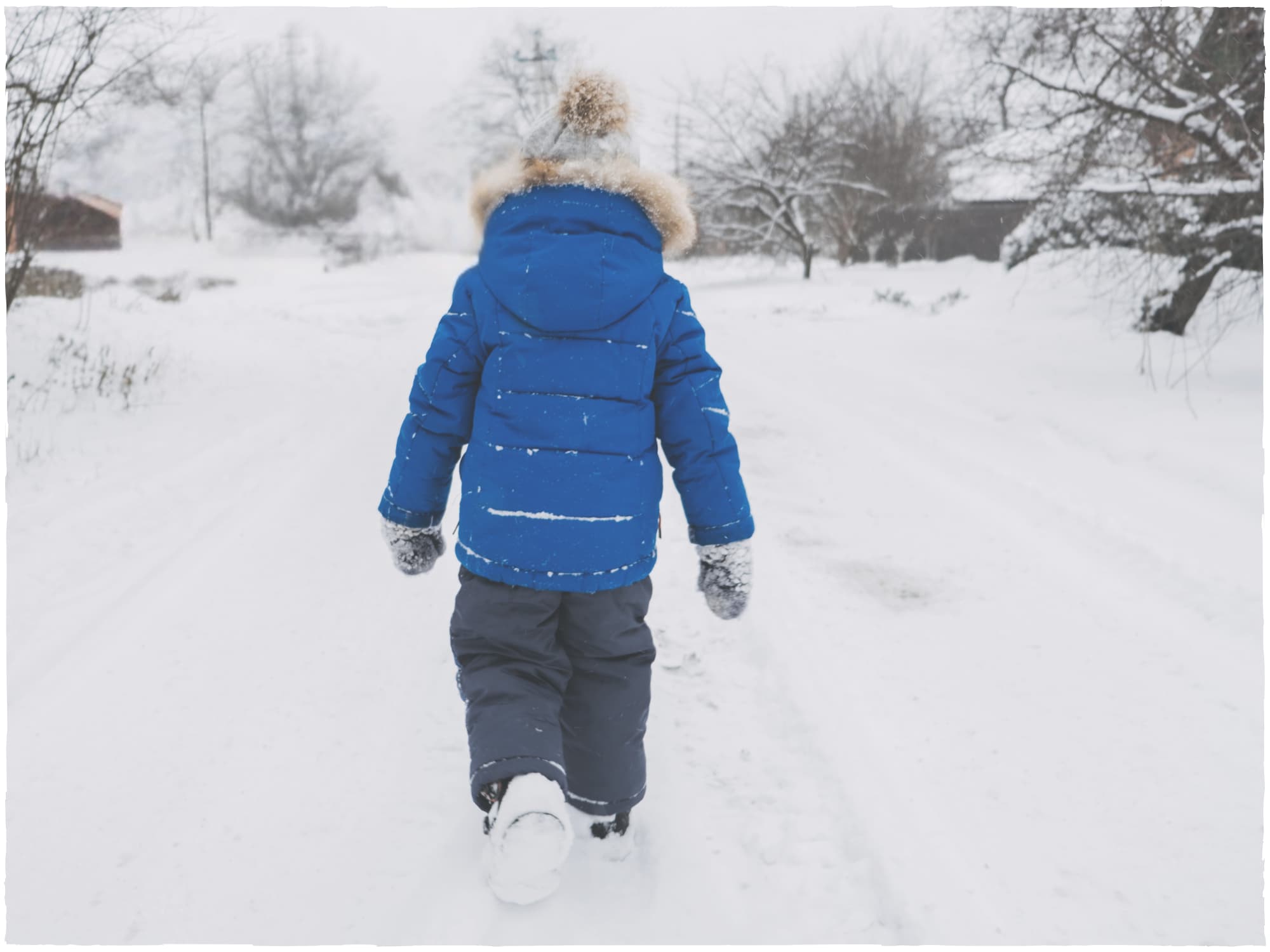
There’s something so beautiful about nature during the winter months. I love seeing the bare trees against the winter sky, watching the birds visit our feeders, and finding little animal tracks in the snow. Even our familiar walking spots seem different once winter arrives.
Although we spend more time outdoors during the warmer months, winter has its own little treasures to discover. Sometimes I bundle everyone up for a nature walk, while other days we’re perfectly happy watching the birds from the window, enjoying a good nature book, or spending a little time with our nature journals.
If you’re looking for ways to enjoy Charlotte Mason nature study during the colder months, I’d love to share some of our favorite winter activities, living books, and nature journaling ideas.
This post may contain carefully chosen affiliate links to help support our homeschooling journey. Thank you for supporting my family through your purchases! You can read my full affiliate disclosure policy here.
Winter Nature Study Ideas for Your Homeschool
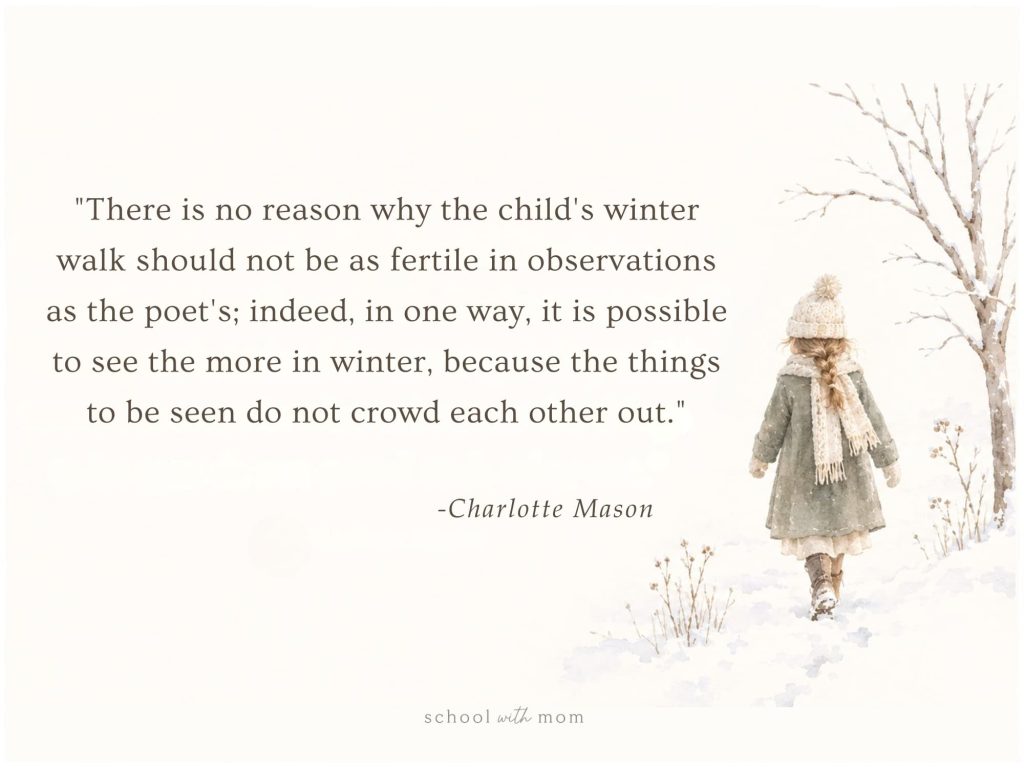
Here are eight of our favorite ways to enjoy Charlotte Mason nature study during the winter months, along with a few living books to enjoy with your children.
1. Winter Birdwatching
We love watching the birds that visit our feeder during the winter months. Cardinals, blue jays, chickadees, and dark-eyed juncos are just a few of the birds your children might enjoy watching, too.
Take some time to observe their colors, markings, and feeding habits together. A field guide can help your children identify the different species, and they also might enjoy keeping a list of the birds they’ve spotted or even drawing one in their nature journals.
Living Book Pairing: Burgess Bird Book by Thornton Burgess is a wonderful way to introduce your children to the birds around them. Through Peter Rabbit’s conversations with the birds he meets along the way, they’ll become familiar with different birds and their habits (chapters 39-45 specifically talk about winter birds and their adaptations) .
2. Animal Tracks in the Snow
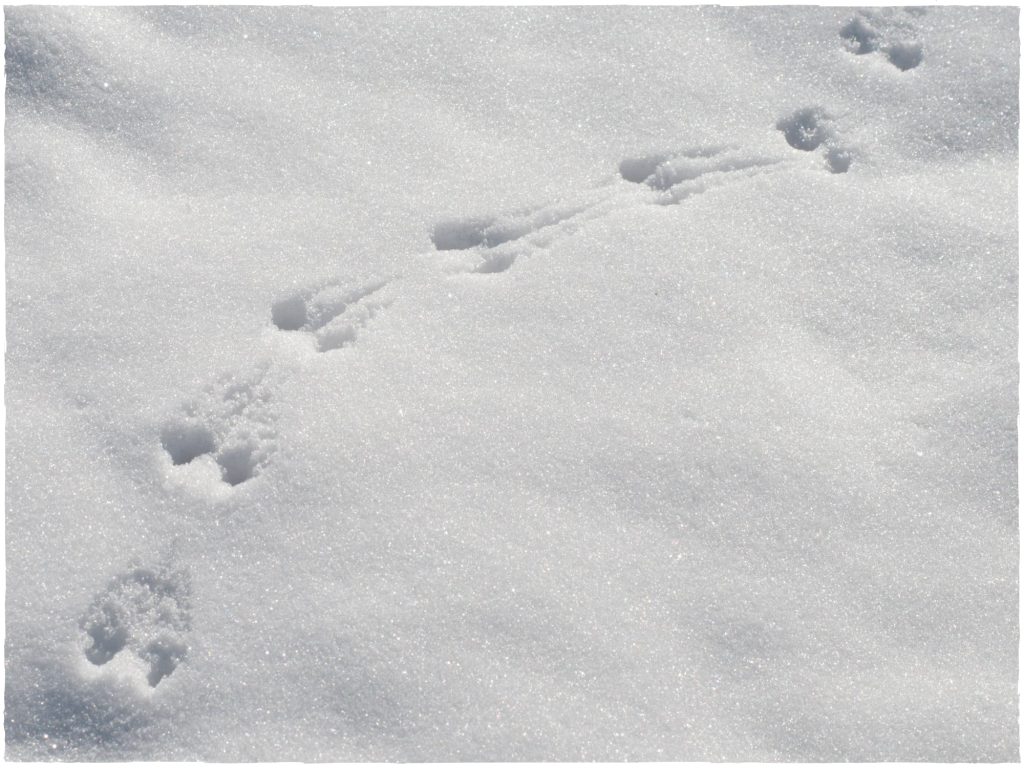
After a fresh snowfall, we love looking for animal tracks along the paths we walk. You might find tracks left by squirrels, rabbits, deer, or other animals in your area.
Take a closer look at the size and shape of the prints, the distance between them, and the direction the animal was traveling. Do the tracks appear in pairs, or does the animal seem to have walked one foot after another? These little details can help your children figure out which animal may have passed through.
You can also take a photograph of the tracks to compare with a field guide or use for a nature journal drawing once you’re back inside.
Living Book Pairing: Over and Under the Snow by Kate Messner gives children a little glimpse into the lives of animals above and beneath the winter snow. It’s the perfect book to pair with an afternoon spent looking for animal tracks.
3. Evergreen and Deciduous Trees
During the winter months, you might enjoy taking your children on a walk to compare evergreen and deciduous trees, noticing the differences in their needles, bark, and branches. Look for the little winter buds on the bare trees and compare their shapes and sizes as the trees prepare for spring.
My children have always enjoyed gathering pinecones on our nature walks, and we often bring a few home to look at more closely. You could also collect some fallen evergreen needles to compare or add to your nature table.
Free Nature Study: For a closer look at evergreen trees, you can explore my free Evergreen Nature Study, with simple ideas for observation and nature journaling.
4. Winter Pond and Stream Study
If you have a favorite pond or stream that you visit during the warmer months, consider returning in winter to see how it has changed. Your children might notice ice forming along the edges, changes in the surrounding plants, or birds and animal tracks near the water.
You can also spend a little time talking about what happens beneath the frozen surface of a pond and how fish and other aquatic animals survive during the colder months.
If you’ve visited the same spot in different seasons, encourage your children to compare what they remember from those visits with what they see now.
5. Snowflake Observation
When the snow begins to fall, we like to head outside and try catching individual snowflakes on a dark glove or piece of cloth. Using a magnifying glass, the children can examine their shapes and delicate six-sided patterns before they melt.
Afterward, encourage your children to sketch their observations in their nature journals, paying attention to the details they noticed.
Living Book Pairing: Snowflake Bentley by Jacqueline Briggs Martin shares the story of Wilson Bentley, whose fascination with snowflakes led him to spend years studying and photographing their intricate patterns.
6. Frost and Ice Observation
We often stop to look at frost covering the grass and tree branches or the different patterns forming in frozen puddles.
Encourage your children to look closely at what they find. How does frost look different from snow? Where does ice seem to form first? You might also examine icicles, comparing their shapes and lengths and noticing how they change as the temperatures rise and fall.
Afterward, your children can sketch an interesting frost pattern or record a few of their observations in their nature journals.
7. The Winter Solstice and Changing Daylight
As winter goes on, we can begin to notice the days gradually getting longer after the winter solstice. This is something you can observe with your children over several weeks.
You might compare how early it gets dark in December and February or pay attention to where the sun appears in the sky at different times of day.
Older children may enjoy keeping a simple record of sunrise and sunset times. You can also talk about the Earth’s tilt and why we have different seasons.
Book Pairing: The Shortest Day by Wendy Pfeffer is a nice companion for learning about the winter solstice and helping your children understand why our days grow shorter and longer throughout the year.
8. The Winter Moon and Stars
On a clear evening, bundle up and spend a little time observing the moon and stars together. You might help your children identify familiar constellations, such as Orion, or use a simple star chart to find others.
Another enjoyable activity is observing the moon over several evenings and having your children sketch its changing phases in their nature journals.
Living Book Pairing: Owl Moon by Jane Yolen follows a little girl and her father as they venture into the snowy woods in search of an owl. It’s a favorite story to enjoy before a winter evening nature walk.
Looking for something to take along on your next winter nature walk? This free printable gives your children a few things to look for and observe as they explore outside. Enter your email below, and I will send it right to your inbox.
No spam, ever. 🌿
Winter Nature Journaling
During the warmer months, we often bring our nature journals along on our walks. But in winter, we usually save our drawing and writing for when we’re back inside where it’s warm.
I like to take a few photographs of anything my children want to remember, whether it’s an interesting animal track, a bird we’ve spotted, or an unusual pattern in the ice. Once we’re home, they can choose something they’ve observed to sketch and record in their journals.
A winter nature journal entry might include a drawing of a bare tree, the date of the first snowfall, a list of birds visiting the feeder, or a few notes about the changing daylight.
If you’d like more guidance, I’ve shared how we keep nature journals in our homeschool in my How to Start a Nature Journal guide.
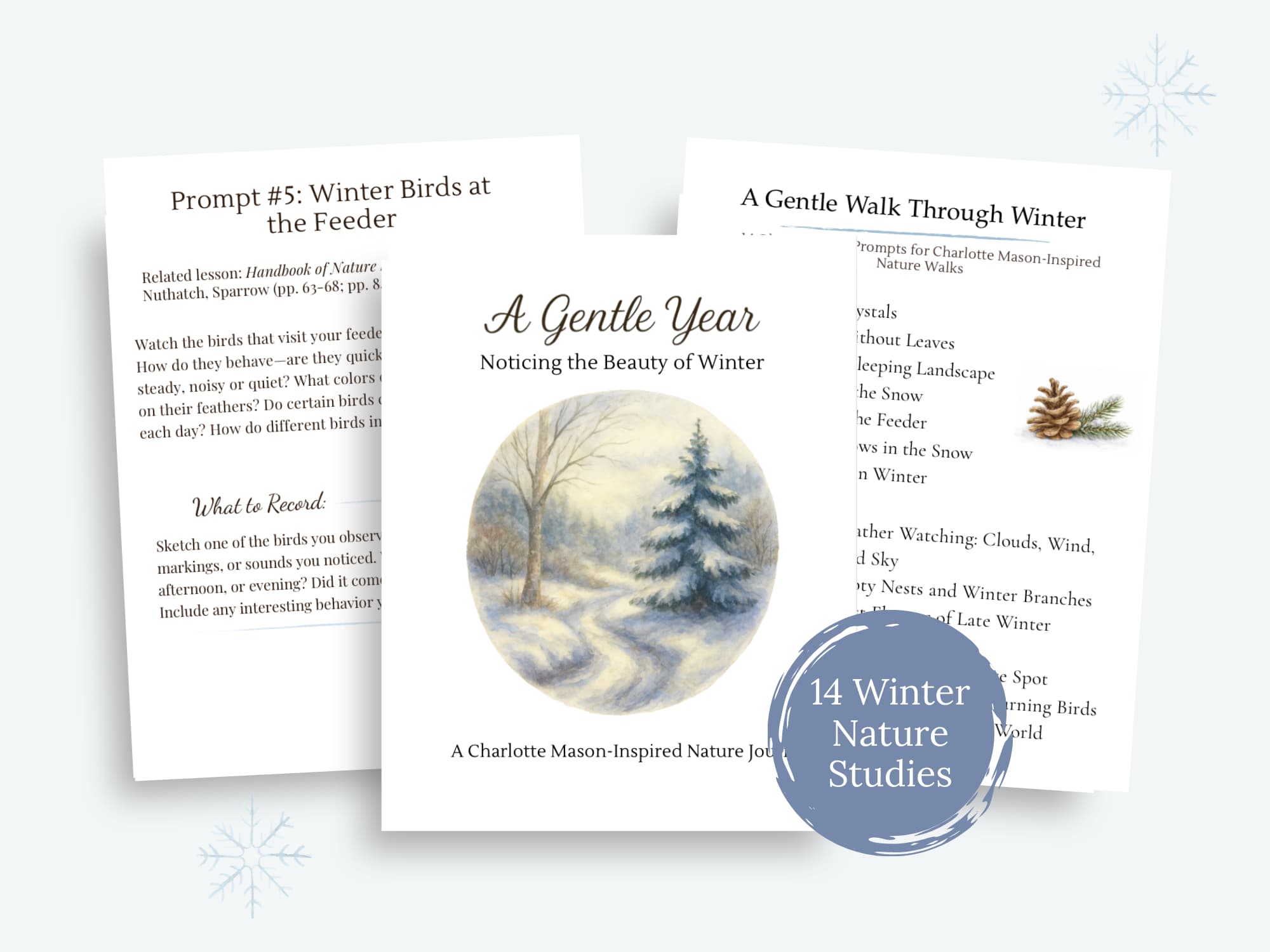
Gentle Winter Nature Study
Make the most of your winter nature study with 14 ready-to-use observation prompts and nature journaling pages to guide your children’s discoveries throughout the season. From winter birds to snowy landscapes, you’ll have thoughtful lessons ready whenever it’s time to explore.
Explore the Winter Nature Journal →Planning winter math activities, too? Save with my Gentle Winter Bundle → featuring both Winter Nature Study and Winter Math Mornings.
Bringing Winter Nature Study into Other Lessons
One of the things I enjoy about Charlotte Mason homeschooling is how naturally our lessons can connect with one another. Winter nature study gives us plenty of opportunities to bring a little of what we’re observing outside into our other subjects.
Math: We’ve spent time recording daily temperatures, measuring snowfall after a winter storm, and comparing the lengths of icicles. These simple activities give children a chance to practice measuring, comparing, and recording information using things they’re already interested in.
History: Reading The Long Winter by Laura Ingalls Wilder helped my children understand what life was like for families on the Dakota prairie during the severe winter of 1880–1881. It’s a good opportunity to talk about how people managed harsh winters without many of the conveniences we have today.
Geography: You can also compare winter weather in different parts of the country or around the world. Using a map, have your children locate places with very different winter climates and discuss how the weather affects daily life.
Enjoying Charlotte Mason Nature Study Throughout Winter
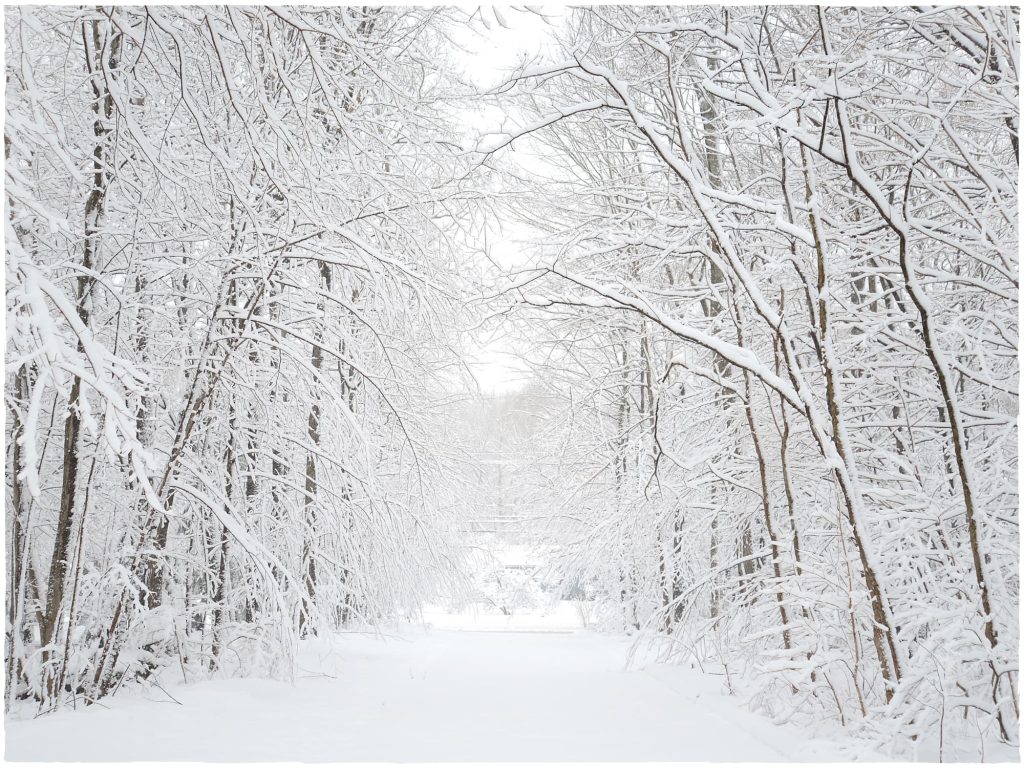
I hope these ideas give you a little inspiration for enjoying winter nature study with your children. Whether you’re watching birds from the window, heading out after a fresh snowfall, or bringing your observations indoors to your nature journals, there are so many ways to enjoy the season together.
Sometimes the simplest observations turn into the nature lessons our children remember most.